November 16, 2026
・
2
mins read

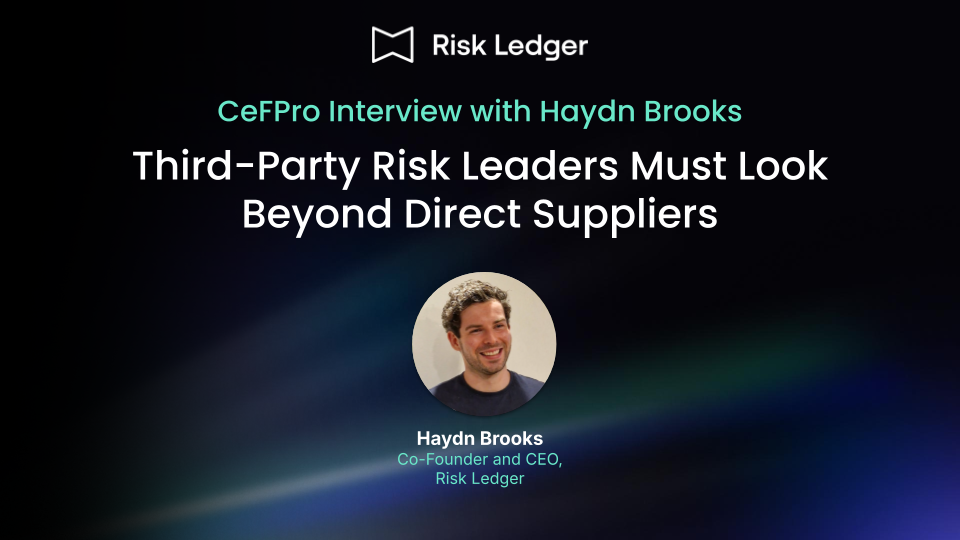
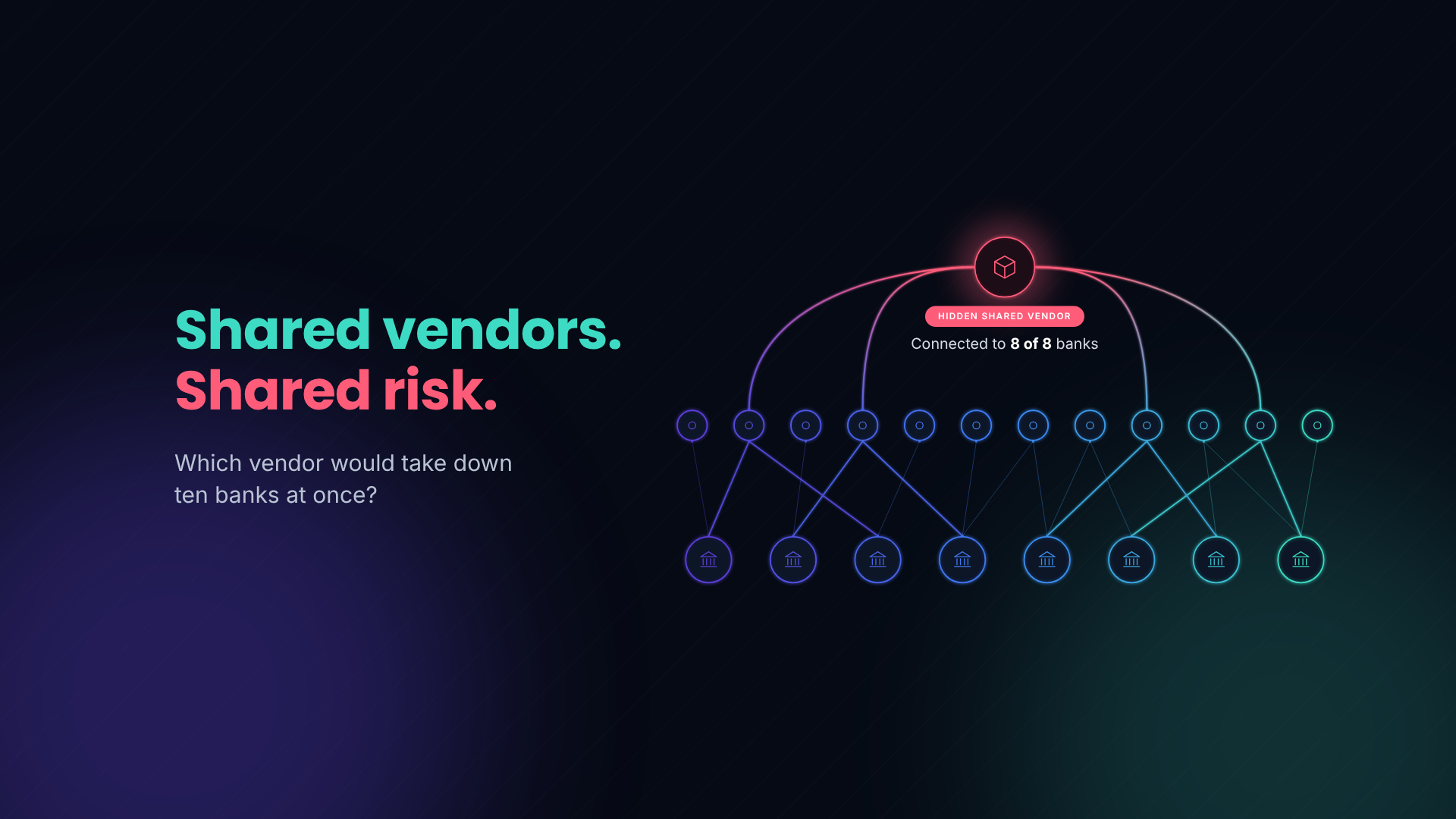
Financial institutions are under growing pressure to manage risks that reach well beyond their direct vendor relationships. In this interview with CeFPro, Haydn Brooks, CEO and Co-Founder of Risk Ledger, explains how regulators are moving away from supplier-by-supplier reviews towards a holistic view of the entire supplier ecosystem. This includes concentration and systemic risks that may sit with fourth, fifth or sixth-tier suppliers that firms have no contract with and may not even know about.
Brooks sets out three types of risk every team should understand: aggregation risk, concentration risk and systemic risk. He explains how regulations such as DORA are bringing critical suppliers themselves into regulatory scope. He also argues that supply chain security is ultimately a communications problem, not a data problem, and that collaboration with peers and suppliers is key to managing it.
Finally, he challenges teams to rethink what success looks like. Rather than counting the number of assessments completed, effective programmes focus on what those assessments reveal and whether they reduce the number and impact of supplier incidents.


Monthly research, case studies and practical guides you won't find anywhere else.
Join thousands of security managers turning their TPRM programmes into success stories.